
Impact of Offshore Wind Farms on Local Environment

Updated: Mar 16
The transition to renewable energy sources is more crucial than ever, and offshore wind farms are at the forefront of this movement. These massive structures harness the power of wind over the ocean, providing a sustainable energy source that can significantly reduce our reliance on fossil fuels. However, as with any large-scale development, the impact of offshore wind farms on the local environment is a topic of considerable debate. This blog post explores the various effects these wind farms have on marine ecosystems, local wildlife, and coastal communities.
Understanding Offshore Wind Farms
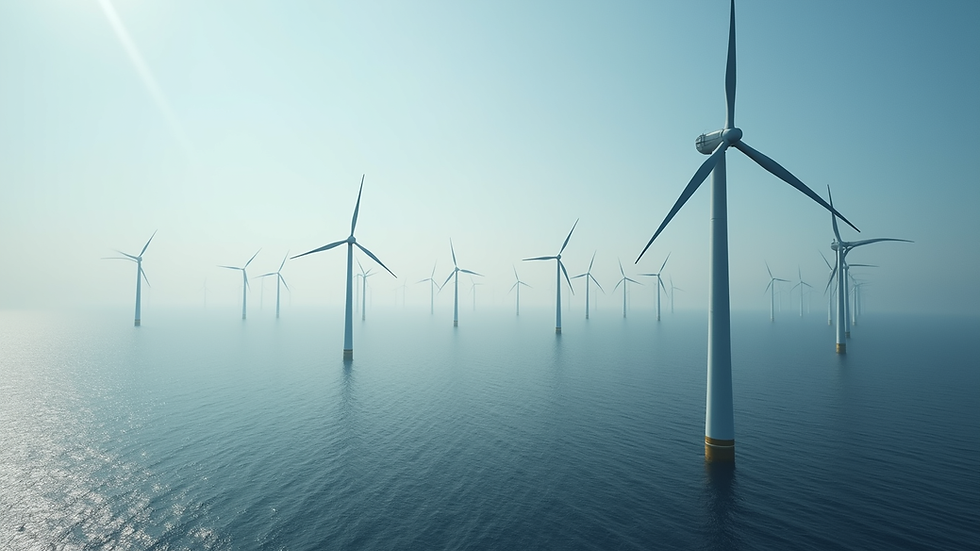
Offshore wind farms consist of multiple wind turbines located in bodies of water, typically on the continental shelf. These turbines convert wind energy into electricity, which is then transmitted to the mainland. The construction and operation of these farms can have both positive and negative environmental impacts.
Benefits of Offshore Wind Farms
Reduction in Greenhouse Gas Emissions
Offshore wind farms produce clean energy, which helps to lower greenhouse gas emissions. This is crucial in combating climate change and reducing air pollution.
Job Creation
The construction and maintenance of offshore wind farms create jobs in various sectors, including engineering, manufacturing, and environmental management.
Energy Security
By diversifying energy sources, offshore wind farms contribute to energy security. They reduce dependence on imported fossil fuels and enhance the resilience of the energy grid.
Potential Environmental Impacts
Despite their benefits, offshore wind farms can also pose challenges to the local environment. Understanding these impacts is essential for balancing energy needs with ecological preservation.
Marine Ecosystems
The construction of offshore wind farms can disrupt marine ecosystems. The following are some key concerns:
Habitat Disruption
The installation of turbines can disturb the seabed and affect habitats for various marine species. This disruption can lead to changes in local biodiversity.
Noise Pollution
Construction activities generate significant underwater noise, which can affect marine mammals and fish that rely on sound for communication and navigation.
Changes in Water Flow
The presence of turbines can alter water currents, potentially impacting sediment transport and nutrient distribution in the surrounding area.
Wildlife Impact
Offshore wind farms can also affect local wildlife, particularly birds and marine mammals. Some specific impacts include:
Bird Collisions
Birds may collide with turbine blades, leading to fatalities. This area has a significant bird population on the islands that surround the array and there are also many that would use the airspace of area for migrating. Corncrakes, puffins, gannets, storm petrels etc.
Marine Mammal Behavior
The noise generated during construction and operation can lead to changes in the behavior of marine mammals, such as basking sharks, whales and dolphins, which may avoid areas with high noise levels.
Case Studies of Offshore Wind Farms
Examining specific offshore wind farms can provide insights into their environmental impacts.
Horns Rev 1 and 2, Denmark
The Horns Rev wind farms, located off the coast of Denmark, were among the first large-scale offshore wind projects. Studies conducted in the area have shown that while there were initial concerns about bird collisions, the long-term impact on local bird populations has been minimal. The farms have also become artificial reefs, providing new habitats for marine life.
Block Island Wind Farm, USA
The Block Island Wind Farm, the first offshore wind farm in the United States, has been closely monitored since its installation. Research indicates that the wind farm has not significantly affected local fish populations. In fact, the structures have created new habitats that support marine biodiversity.
Mitigation Strategies
To minimize the environmental impacts of offshore wind farms, several strategies can be employed:
Site Selection
Careful site selection is crucial. Avoiding ecologically sensitive areas can help reduce habitat disruption and protect local wildlife. The Argyll Array (AKA Tiree Array) was rejected in 2003 because of basking sharks and corncrakes and nothing has changed except the proposed array has been moved 20 miles east.
Monitoring and Research
Ongoing monitoring of environmental impacts is essential. This includes studying wildlife behavior and ecosystem changes to inform future developments.
Technology Improvements
Advances in turbine design and construction techniques can help reduce noise pollution and minimize habitat disruption.
Community Engagement
Engaging local communities in the planning and development of offshore wind farms is vital. This can help address concerns and ensure that the benefits of renewable energy are shared. Community engagement strategies may include:
Public Consultations
Hosting public meetings to discuss project plans and gather feedback from local residents can foster transparency and trust. SPR have engaged but have an answer for everything. Their mitigation has already been done by reducing the size of the array but that would always have been the plan. During the consultation it was never mentioned that these would be the tallest turbines in Europe and the second tallest in the World!
Educational Programs
Providing information about the benefits of offshore wind energy can help communities understand the importance of these projects.
Conclusion
Offshore wind farms represent a significant opportunity for sustainable energy production. While they offer numerous benefits, including reduced greenhouse gas emissions and job creation, it is essential to consider their potential environmental impacts.
As we move forward in the renewable energy transition, understanding and addressing the impacts of offshore wind farms will be crucial for ensuring a sustainable future for both our planet and its inhabitants.

Comments