
Why We Oppose the Machair Wind Farm Project

Updated: Mar 16
The Machair Wind Farm Project has sparked significant debate among local communities, environmentalists, and energy advocates. While the push for renewable energy is crucial in combating climate change, the implications of this specific project raise serious concerns. This blog post will explore the reasons behind our opposition to the Machair Wind Farm Project, focusing on environmental impacts, community concerns, and alternative energy solutions.
Understanding the Machair Landscape
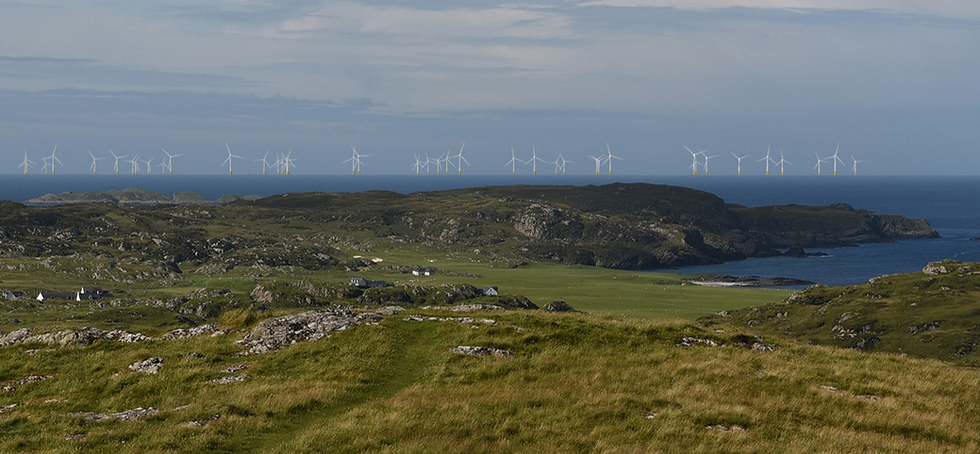
The Machair is a unique coastal ecosystem found primarily in Scotland, characterized by its rich biodiversity and stunning landscapes. This area is not just a beautiful sight; it is home to various species of flora and fauna, many of which are rare or endangered. The delicate balance of this ecosystem is vital for maintaining local wildlife and preserving the natural heritage of the region. The fact that SPR chose to use the name Machair Wind shows a complete lack of understanding of the communities that surround the proposed gargantuan array.
The Importance of Biodiversity
Biodiversity is essential for ecosystem resilience. The Machair supports a variety of habitats, including grasslands, dunes, and wetlands. These habitats provide shelter and food for numerous species, including birds, insects, and plants. Disrupting this ecosystem through large-scale industrial projects like wind farms can lead to irreversible damage.
Potential Environmental Impacts
The construction and operation of the Machair Wind Farm could have several negative environmental impacts:
Seabed Destruction: The installation of wind turbines requires significant industrial construction covering 445km2 of rich seabed which can destroy habitats and displace birds and marine wildlife.
Noise Pollution: Wind turbines generate noise, which can disturb local wildlife and affect the quality of life for nearby residents.
Visual Impact: The presence of large wind turbines can alter the natural landscape, affecting its aesthetic value and the experience of visitors and locals alike.
Community Concerns
Local communities have voiced their concerns regarding the Machair Wind Farm Project. These concerns are not just about the environment; they also touch on social, economic, and cultural aspects of life in the region.
Economic Considerations
While proponents of the wind farm argue that it will create jobs, many locals are skeptical. The jobs created during construction may be temporary, and the long-term employment opportunities may not be substantial. Additionally, the potential decline in tourism due to the visual impact of the wind farm could harm local businesses that rely on visitors drawn to the natural beauty of the Hebridean seascape.
Cultural Heritage
Our area is not just an ecological treasure; it is also a cultural one. The area has historical significance for local communities, and the introduction of industrial structures could undermine the cultural identity tied to the landscape. Iona, Colonsay and Islay have many historic buildings and the views from them have been drawing visitors for many centuries. The industrial overreach from SPR will destroy this forever.
Alternative Energy Solutions
While we oppose the Machair Wind Farm Project, we recognize the urgent need for renewable energy solutions. However, there are alternative approaches that can be pursued without compromising the integrity of the Machair ecosystem.
Community-Based Renewable Energy
Investing in community-based renewable energy projects can empower local residents and provide sustainable energy solutions. These projects can include:
Solar Panels: Utilizing rooftops and brownfield sites for solar energy generation can minimize land use and environmental impact.
Small-Scale Wind Turbines: Instead of large wind farms, smaller, community-owned wind turbines can provide energy while preserving the landscape.
Hydropower: Exploring local rivers and streams for small-scale hydropower projects can harness energy without significant ecological disruption.
Energy Efficiency Initiatives
Improving energy efficiency in homes and businesses can significantly reduce energy consumption. Initiatives such as retrofitting buildings, promoting energy-efficient appliances, and encouraging sustainable practices can help lower energy demand while supporting local economies.
Conclusion
The Machair Wind Farm Project presents a complex challenge that requires careful consideration of environmental, social, and economic factors. While the need for renewable energy is undeniable, it is crucial to prioritize the preservation of unique ecosystems and the well-being of local communities. By exploring alternative energy solutions and fostering community engagement, we can work towards a sustainable future that respects both nature and the people who depend on it.
As we move forward, it is essential to advocate for energy solutions that align with the values and needs of local communities while protecting our precious natural resources. Let us engage in meaningful dialogue and seek out alternatives that benefit everyone involved.


Comments